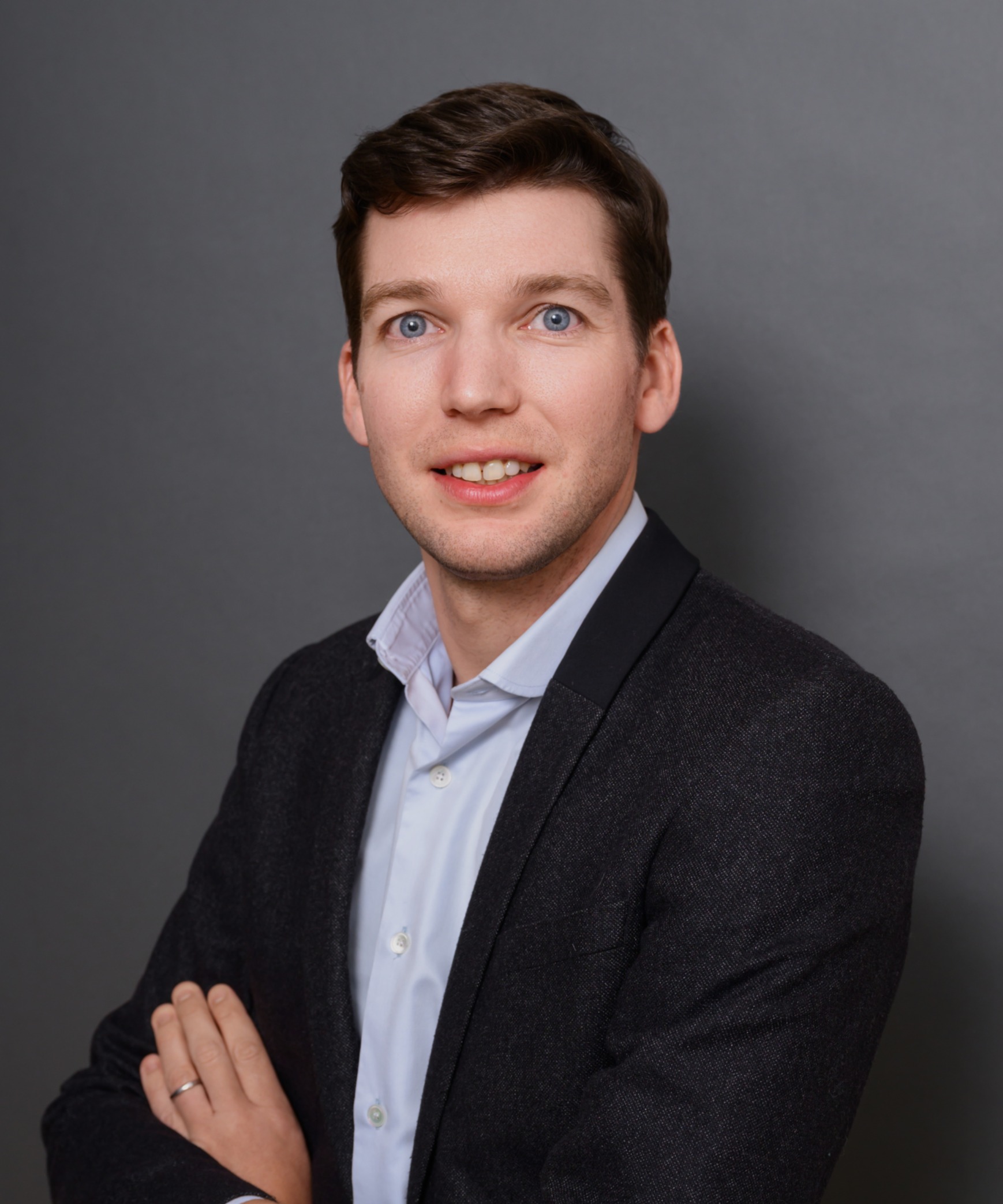
Yann EDOUARD brings over 13 years of international experience in banking, payments, and strategic consulting. As Director at Société Générale, he led global teams across six countries, overseeing cross-border payment operations and risk-sensitive financial flows. His leadership in launching compliance remediation programs and managing audit missions for the CEO Office has shaped robust risk governance frameworks across Asia, Europe, and Africa.
His consulting background includes strategic reviews of credit, operational, and compliance risks, as well as innovation and market entry strategies for financial institutions.
Currently based in South-East Asia and pursuing an Executive MBA at ESCP Business School, Yann is committed to sharing practical insights and fostering regional collaboration in financial risk and strategy.
What have been your journey leading you to RULE?
My journey with RULE began in 2024–2025, when I was introduced to the university by a former colleague who teaches there and is actively involved in research. Now based in Southeast Asia, I was eager to engage with Cambodia’s emerging generation of professionals and students. This opportunity allowed me to share insights drawn from over a decade of experience in global banking institutions and to contribute to the academic dialogue on risk management and strategic finance.
Can you describe how the course(s) you teach are relevant in the current context?
Financial risks today are significantly higher than in previous decades, driven by an increasingly VUCA (Volatile, Uncertain, Complex, and Ambiguous) environment and rapid shifts in geopolitical and economic dynamics. This course provides a global perspective on risk management, enriched with concrete, real-world case studies that bring theory to life. Additionally, the modules on corporate strategy are particularly valuable, as companies (including banks and insurance firms) must remain agile and continuously reassess their business models to navigate an environment marked by persistent headwinds and structural change.
Can you tell us about your experience as a teacher for an international program in Cambodia?
Participating in Cambodia’s international academic program has been a deeply fulfilling experience. The classroom brings together a unique blend of recent graduates and early-career professionals, fostering a collaborative and intellectually vibrant setting. This diversity of backgrounds sparks meaningful dialogue, where varied viewpoints challenge assumptions and enrich collective understanding.
What do you like the most in teaching at RULE?
One of the most rewarding aspects of teaching in Cambodia has been the depth and quality of interactions with students. The classroom environment encourages open dialogue, and students frequently raise thoughtful, concrete questions that stem directly from their own personal and professional experiences. This dynamic not only enriches the learning experience but also allows me to tailor insights from global banking and consulting to the specific contexts students bring forward. It’s a truly collaborative exchange where theory meets practice, and where diverse perspectives help deepen everyone’s understanding of risk, strategy, and financial decision-making.
Do you have any recommendations for future students and graduates?
I encourage students to take an active role in the learning process, bring forward concrete ideas, real-life examples, and case studies that reflect your experiences or interests. Don’t hesitate to speak up when something isn’t clear or when you hold a different viewpoint; constructive disagreement is a powerful driver of deeper understanding. Above all, make the most of the network you’re building here at RULE. Your peers, lecturers, and university staff form a valuable community that can support your growth far beyond the classroom.

 ភាសាខ្មែរ
 Exchange Programs and Partner Institutions
 Nomination Procedure and Curricula for Exchange Students
 Marking and Grade Equivalence
 Application form for Exchange at RULE